sometimes while scrolling through social media or reading a comment thread you may notice a phrase that sounds unusual. one day you might see someone mention 40 acres and a mule in a discussion about history justice or equality.
the phrase can look confusing at first especially if you have never heard it before. many people pause and wonder if it is a joke a slang phrase or something connected to history. curiosity usually leads to a quick search.
that is when people start asking what does 40 acres and a mule mean and why this phrase still appears in conversations today.
quick answer: 40 acres and a mule refers to a historical promise made after the american civil war that formerly enslaved people would receive land and resources to start new lives.
what does 40 acres and a mule mean in simple terms
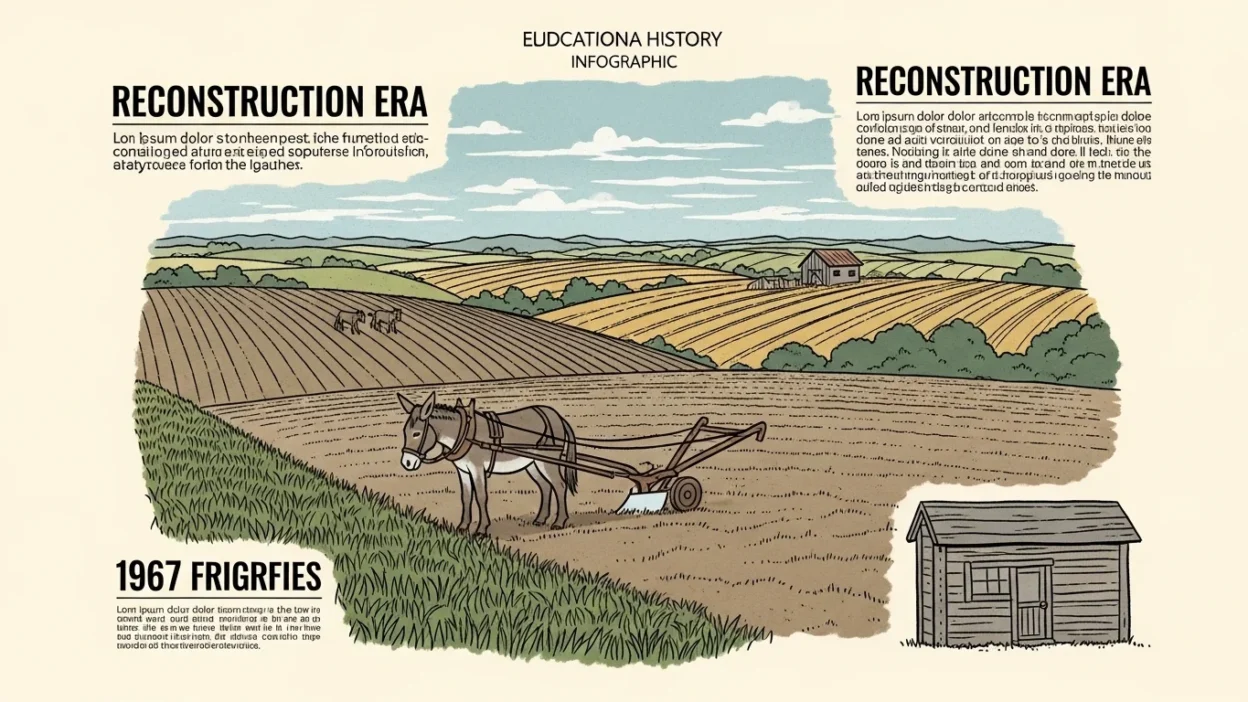
the phrase 40 acres and a mule comes from a policy idea during the period after the american civil war. the idea was that formerly enslaved african americans would receive land and sometimes a mule to help them farm and build independent lives.
in plain english the phrase represents a promise of land and economic support that many freed people hoped would help them become self sufficient.
this promise came from a military order issued by union leaders in 1865. however the plan was never fully carried out and most freed families did not receive the land.
today the phrase is often used in conversations about history equality and economic justice.
example sentence
the article explained how the phrase 40 acres and a mule became a symbol of broken promises after the civil war.
bold summary: 40 acres and a mule refers to a historical promise of land and resources to formerly enslaved people that was mostly never fulfilled.
where the term is commonly used
today the phrase appears in many online and offline discussions.
people often mention it in
history discussions on social media
educational videos and documentaries
online forums about civil rights
articles about social justice and reparations
college history or sociology discussions
the tone when people use the phrase is usually serious and historical. sometimes it is educational and sometimes it is part of debates about fairness and economic opportunity.
realistic conversation examples
here are some natural lowercase chat examples showing how people might mention the phrase online.
- i just learned what 40 acres and a mule meant in history class
- that documentary talked about the promise of 40 acres and a mule
- people still debate the meaning of 40 acres and a mule today
- my teacher explained why the plan never fully happened
- the phrase 40 acres and a mule became a symbol of broken promises
- someone mentioned 40 acres and a mule in the comment section
- i saw a thread explaining the history behind it
- learning about 40 acres and a mule changed how i see reconstruction history
- this topic came up during a discussion about reparations
when to use and when not to use the phrase
because the phrase is connected to important history it should be used thoughtfully.
do use the phrase when
discussing history after the civil war
talking about reconstruction and civil rights
sharing educational information
explaining historical promises and policies
do not use the phrase when
making jokes about serious historical issues
using it without understanding the context
trying to simplify complex historical debates
using it in unrelated casual conversations
comparison table
| context | example phrase | why it works or does not work |
| history lesson | the policy known as 40 acres and a mule | works because it explains history |
| educational article | the promise of 40 acres and a mule | works in a learning context |
| casual joke | i want 40 acres and a mule for my homework | does not work and trivializes history |
| random chat | 40 acres and a mule fixed everything | confusing and inaccurate |
related historical terms you might hear
when discussing 40 acres and a mule people often hear other related historical terms.
| term | meaning | when it is used |
| reconstruction era | the time after the civil war when the united states rebuilt the south | used in history discussions |
| civil rights | rights that protect equality and freedom | used in social justice conversations |
| emancipation | the act of freeing enslaved people | used when discussing the end of slavery |
| land redistribution | policies that give land to certain groups | used in economic or historical debates |
| reparations | compensation for past injustices | often discussed in modern policy debates |
these terms help explain the broader historical context behind the phrase.
faqs
where did the phrase 40 acres and a mule come from
it came from a union military order during the american civil war that suggested giving land to freed families.
did people actually receive 40 acres and a mule
some families briefly received land but most lost it when the policy was reversed.
why is the phrase still talked about today
it is often used as a symbol of unfulfilled promises and discussions about fairness.
what time period is it connected to
it is connected to the reconstruction era after the civil war in the 1860s.
is the phrase used in modern debates
yes it sometimes appears in conversations about economic justice and historical policies.
do students learn about it in school
many history classes discuss it while studying the reconstruction era.
final thought
understanding what does 40 acres and a mule mean helps people learn an important part of history. the phrase refers to a promise made after the civil war that formerly enslaved people would receive land and support to build new lives.
although the plan was not fully carried out the phrase became a powerful symbol of hope and later disappointment. today it appears in educational discussions social media conversations and historical debates.
learning its meaning helps people better understand the past and the ongoing conversations about justice and equality.