Have you ever been scrolling through a group chat, a wellness reel, or a recipe comment and seen someone say, “just add turmeric it’s good for you”? Maybe a friend texted you about a “golden milk” drink, or a family member swore turmeric fixed everything from sore knees to colds. If you’re like most people, you probably paused and thought, wait what does turmeric do, exactly?
That question pops up online all the time. Turmeric is everywhere food videos, health posts, skincare tips, and casual chats. Let’s break it down in a clear, friendly way so you actually understand what people mean when they talk about turmeric.
Quick Answer:
Turmeric is a yellow spice that helps reduce inflammation, supports digestion, and adds color and flavor to food.
What Does Turmeric Do?
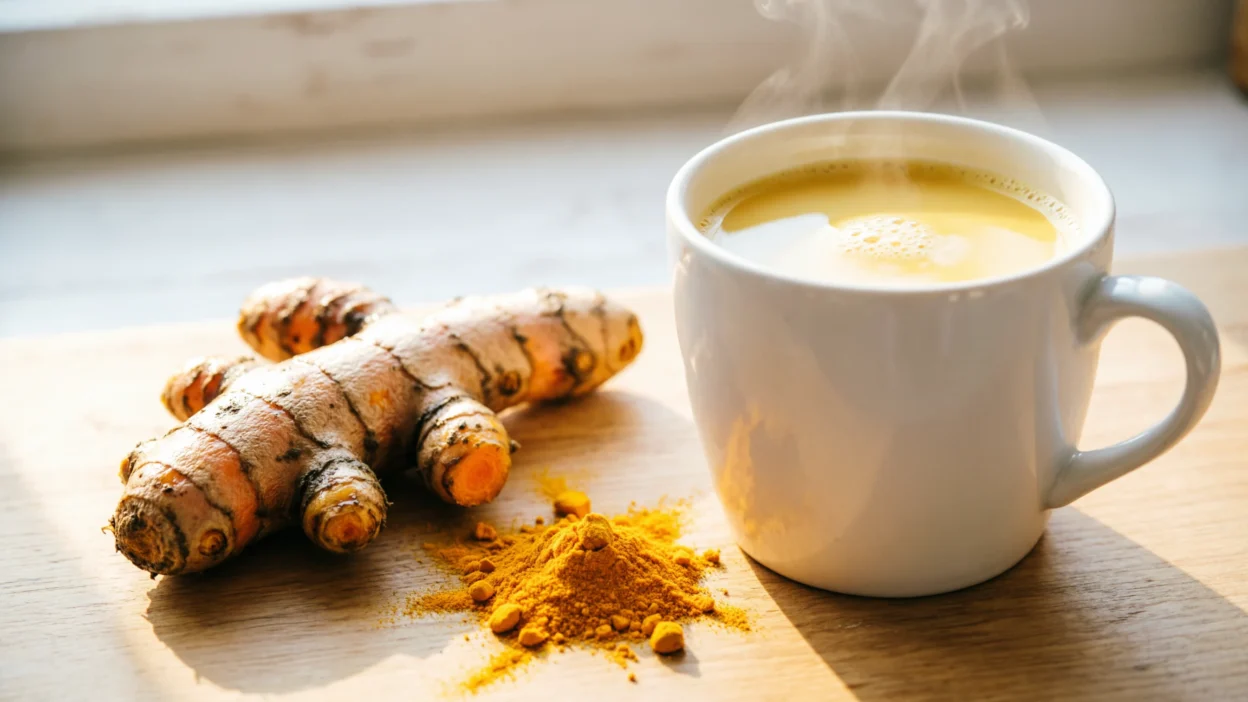
Turmeric is a bright yellow spice made from the root of a plant related to ginger. It has been used for hundreds of years in cooking and traditional wellness practices.
There is no “full form” because turmeric is not a texting abbreviation or slang term. It’s a real spice. The main active compound in turmeric is curcumin, which is what gives turmeric most of its health-related benefits.
In simple terms, turmeric:
- Helps calm inflammation in the body
- Supports digestion and gut health
- Adds color, warmth, and flavor to food
- Is often used in home remedies and wellness routines
People use turmeric because it feels natural, affordable, and easy to add to daily life whether in food, drinks, or supplements.
Example sentence:
“i started adding turmeric to my tea because everyone says it’s good for inflammation.”
Bold summary: Turmeric is a natural spice people use for flavor, color, and everyday health support, especially to help with inflammation.
Where Is “Turmeric” Commonly Used Online?
Unlike texting slang, turmeric is used as a regular word in casual and semi-informational conversations.
You’ll often see it in:
- text messages between friends or family
- social media captions and comments
- wellness and food videos
- recipe blogs and forums
- group chats about health or home remedies
The tone is usually casual and informal, sometimes neutral when used in educational posts. It’s rarely formal unless used in medical or academic content.
In online chat culture, turmeric often appears as a quick suggestion, tip, or trend especially in wellness focused communities.
Realistic Conversation Examples
Here’s how people naturally talk about turmeric in everyday online conversations:
- “what does turmeric do? i keep seeing it in every recipe”
- “my mom puts turmeric in milk before bed”
- “does turmeric actually help with joint pain or is that a myth”
- “i added turmeric to soup and now it’s super yellow lol”
- “everyone on tiktok is obsessed with turmeric tea”
- “i heard turmeric is good for inflammation, true?”
- “thinking of trying turmeric supplements, any thoughts?”
- “turmeric stains everything, but i still use it”
These examples show how the term fits naturally into texting and social media chats.
When to Use and When Not to Use “Turmeric”
Even though turmeric is a normal word, how and where you use it still matters.
✅ Do use turmeric when:
- talking about cooking or recipes
- discussing general wellness or lifestyle habits
- sharing home remedies or family tips
- asking simple health related questions
❌ Don’t use turmeric when:
- giving medical advice or making big health claims
- replacing professional treatment
- assuming it works the same for everyone
- using it as a “cure all” solution
Quick Comparison Table
| Context | Example Phrase | Why It Works / Doesn’t |
| casual chat | “what does turmeric do for digestion?” | works: simple and curious |
| recipe post | “add turmeric for color and flavor” | works: accurate and helpful |
| medical claim | “turmeric will cure your pain” | doesn’t work: misleading |
| wellness tip | “turmeric may help with inflammation” | works: balanced wording |
Similar Terms and Alternatives People Use
While turmeric itself isn’t slang, people often use related words or phrases instead.
Common Alternatives and What They Mean
- Curcumin the active compound in turmeric; used in supplements
- Golden milk a warm drink made with milk and turmeric
- Anti inflammatory spice a descriptive phrase for turmeric
- Haldi the traditional name for turmeric in South Asia
- Wellness spice casual term used in lifestyle content
Use curcumin in more informational or supplement-related discussions.
Use haldi in cultural or traditional conversations.
Use golden milk when talking about drinks or bedtime routines.
FAQs About What Turmeric Does
1. What does turmeric do for the body?
Turmeric helps reduce inflammation, supports digestion, and provides antioxidants that support overall wellness.
2. Is turmeric a slang or texting abbreviation?
No. Turmeric is a real spice, not slang or chat shorthand.
3. Is turmeric safe for daily use?
In small amounts used in food, turmeric is generally safe. Supplements should be used carefully.
4. Why do people online talk about turmeric so much?
Because wellness trends, food videos, and home remedies often highlight natural ingredients like turmeric.
5. Does turmeric work the same for everyone?
No. People respond differently, and results can vary.
6. Can turmeric replace medicine?
No. Turmeric is not a replacement for medical treatment.
7. Is turmeric more popular with certain age groups?
It’s common across all ages, but especially popular with adults interested in health and cooking.
Final Thought
So, what does turmeric do? In simple words, it’s a bright yellow spice people use for flavor, color, and gentle health support especially for inflammation and digestion. You’ll see it everywhere in modern digital communication, from recipe comments to wellness chats.
Knowing what turmeric actually does helps you understand those conversations without confusion or hype. It’s not magic, but it’s a meaningful part of everyday online and offline life.